The history of Jerez, fact by fact
Tools up to 650,000 years old, an unexcavated city, an Almohad medina and the wine that went around the world. Each data has its source; the legends, marked as legend.
Did you know…? · Jerez de la Frontera, Cádiz · Updated on 10/21/2026

Before the conquest
Prehistory, Asta Regia and the Andalusian Jerez.
- Source
Tools up to 650,000 years old
The oldest stone tools in the Museo Arqueológico de Jerez came from the terraces of the Guadalete river, about 11 km from the city. They are between 650,000 and 400,000 years old.
- Source
Asta Regia, unexcavated
Mesas de Asta, on the outskirts of Jerez, holds the ancient city of Asta Regia and is one of the great unexcavated sites in Spain. It was inhabited from recent prehistory until its abandonment, around the 10th century.
- Source
Asta Regia becomes public
In November 2025 the Junta de Andalucía announced the purchase of the 90 hectares of the Asta Regia archaeological zone. It has been an Asset of Cultural Interest since April 2000.
- Source
Sherish, the first name
The city's first documented name is the Arabic Šeriš (Sherish), which perhaps comes from Seriensis, a wine town whose name was pronounced "serés" at the end of Antiquity.
- Source
Named more than a thousand years ago
Jerez already appears in Andalusi texts more than a thousand years ago. In the mid-10th century, the chronicler al-Razi described it as a town "renowned among all the towns of Spain".
- Tradition
The surname of the Border
The surname "de la Frontera" comes from the centuries when Jerez was on the front line against the Nasrid kingdom of Granada. According to the Jerez City Council, King Juan I granted it in 1380.
Alcázar, walls and conquest
The Almohad medina and the entrance of Alfonso
- Source
The Almohad Alcázar
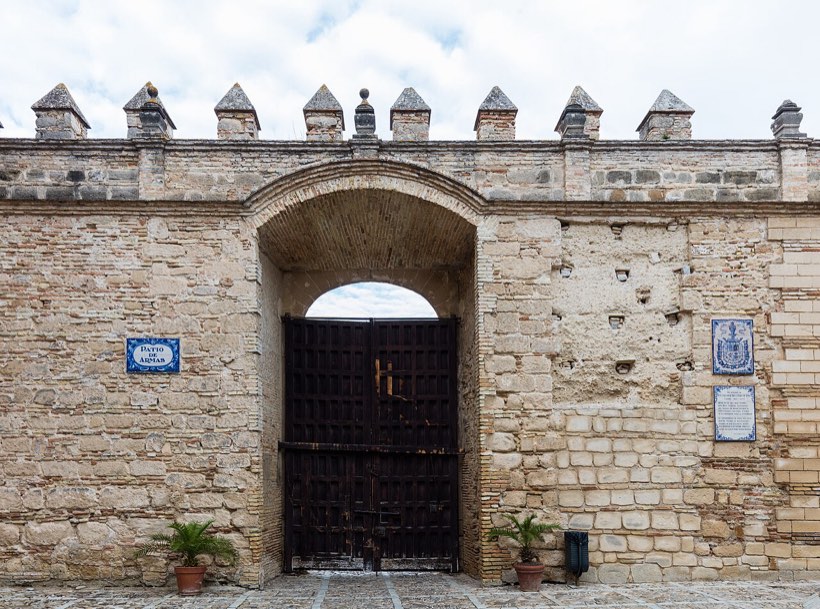
The Alcázar is the oldest monument that Jerez still has. The Almohads built it in the 12th century, at the same time as the city wall.
- Source
A 4 km wall
The Almohad wall measured about 4 km and formed almost a square. It had a gate on each side: Real, Sevilla, Santiago and Rota.
- Source
The only remaining mosque
The Alcázar mosque is the only one preserved from Islamic Jerez; after the conquest of 1264, Alfonso X turned it into a chapel.
- Source
The great souk
The great souk of Islamic Jerez stood where plaza de la Asunción, San Dionisio, plaza Plateros and calle Francos are today: shopping in the same place for centuries.
- Source
Houses on the wall
On calle Larga there are houses leaning on the Almohad wall: at number 51, the back wall follows the defensive line of the Islamic medina.
- Tradition
The conquest of 1264
According to the traditional date, Alfonso X took Jerez on 9 October 1264, the day of San Dionisio, after a five-month siege. Its six old parishes in the center were built over mosques.
- Source
1264 or 1266?
The date of 1264 is disputed. A 2015 study maintains that the documents of that day do not exist and places the capture of Jerez in October 1266.
Streets and monuments
What you still see when walking through the center.
- Source
Streets with trade names
Several streets and squares in the center still carry the name of the trade carried out there: Sedería, Escribanos, Curtidores, Plateros and Chapinería.
- Source
Canes on horseback in Arenal
For centuries the plaza del Arenal was the main square, and there knights played cañas on horseback in two fixed teams: the Dávila and the Villavicencio. The young played on Thursdays and the elders on Sundays.
- Source
A stream under the Cathedral
Where the Cathedral stands today there was a stream with tanneries, and the bad smell made everyone who could move away. In the 16th century part of the stream was covered over and the area was settled again.
- Source
The camera obscura
In the tower of the Palacio de Villavicencio, inside the Alcázar, a camera obscura projects real, moving images of Jerez and its countryside, with no screens.
- Source
The 19th century apothecary
On the third floor of the Palacio de Villavicencio is the former 19th-century municipal pharmacy, with its carved wooden furniture and original apothecary jars.
- Source
The Watchtower Tower
The Torre de la Atalaya, next to San Dionisio, was built in the mid-15th century for the city's first clock and to warn of dangers with smoke signals. That is why it is also called the Torre del Reloj or de la Vela.
- Source
The clocks that ring
At the Palacio del Tiempo the clocks work and chime every hour. The collection began with 152 pieces and now displays 287.
- Source
Cathedral since 1980
Jerez Cathedral has been a cathedral only recently: on 3 March 1980 John Paul II created the diocese of Asidonia-Jerez, after centuries of demands from the city.
- Source
Electric light
According to the City Council, Haro (La Rioja) and Jerez were the first two towns in Spain with electric light, and that is why in 2024 it was proposed to twin them.
The history of wine
From trade with England to the first designation of origin of Spain.
- Source
Rules of wine in 1483
In 1483 Jerez already had written rules for the grape harvest and the wine trade. They were driven by demand from English, French and Flemish buyers.
- Source
Shakespeare's Sherry Sack
In 16th- and 17th-century England, Jerez wine was called "sherry sack" and was fashionable. Shakespeare praises it in "Henry IV, Part Two".
- Source
The wine that went around the world
Magellan bought 417 wineskins and 253 casks of Jerez wine for his long voyage, which is why it may have been the first wine to sail around the world.
- Source
3,000 Boots Looted
In 1587, Frobisher, of Drake's fleet, sacked Cádiz and took 3,000 butts of Jerez wine.
- Source
A train that never existed
As early as 1829 a Royal Order granted a 5.83 km railway between Jerez and El Portal to carry wine barrels to the Guadalete, almost twenty years before Barcelona-Mataró. It was never built.
- Source
The first train in Andalusia
Andalusia's first railway began operating in 1854 and linked Jerez with El Puerto de Santa María. Its reason for being was wine.
- Source
The first D.O. of Spain
The Jerez Denomination of Origin was the first in Spain: it came into being with the 1933 Wine Law and published its regulations in January 1935.
- Source
Tío Pepe existed
Tío Pepe did exist: he was José María Ángel y Vargas, uncle of the founder of González Byass, Manuel María González Ángel. The figure was created by Luis Pérez Solero in 1935 and the sign in Madrid's Puerta del Sol has been there since 1957.
- Source
Sherry is Jerez
The English word "sherry" is nothing other than the name Jerez said in English. Sherish, Xerez and Jerez are the same name that changed over the centuries.
- Source
Where does tabanco come from?
The word "tabanco" was born in Jerez for a place that was part tavern, part wine shop. One theory says it comes from combining "estanco" and "tabaco" in the 17th century.
- Source
The first Harvest Festival
Jerez held the first Grape Harvest Festival in Spain: it was first celebrated on 12 and 13 September 1948.
- Source
Brotherhood with Tequila
Jerez and Tequila (Jalisco, Mexico) have been twinned since 1982: two cities with designations of origin tied to their land.
People and moments
- Source
Manuel Torre, from San Miguel
Manuel Torre, born in 1878 in the San Miguel neighborhood, worked as a boy as a fisherman and used his singing to earn a little money. Later he was billed in the cafés as "El Niño de Jerez".
- Source
Caballero Bonald, Cervantes Prize
José Manuel Caballero Bonald, Cervantes Prize 2012, was born in Jerez on 11 November 1926, the son of a Cuban Creole father and a French mother.
- Source
Why is José Mercé called that?
José Mercé takes his name from the Basílica de la Merced: as a very small boy he joined its choir school, where he began to sing and from which his stage name came.
- Source
Senna and Mansell, by 0.014 seconds
On 13 April 1986, at the Spanish Formula 1 Grand Prix in Jerez, Ayrton Senna beat Nigel Mansell by just 0.014 seconds.
Legends
What is told, marked as legend: is not a proven fact.
- Legend
The Caged Corner of Malillo
Legend has it that in the Rincón Malillo a gambling, quarrelsome gentleman challenged the devil, and from that night he was left with a wound on his arm that never healed. The neighbors called it "El Enjaulado" because he hardly left the house anymore.
- Legend
There are Moors on the coast
It is said that the expression "hay moros en la costa" has to do with watchtowers like the Atalaya, which in the 16th century warned of Barbary attacks on the Cádiz coast.
- Legend
The Bitter Dinner
Legend has it that the owners of the Torre de Melgarejo were murdered one night while having dinner, and that is why a street in the neighborhood is called "Amarga cena".

Where to see the history of Jerez
Museums and monuments. Google Maps notes consulted on 10/13/2026.
- 4.5 on Google
Alcazar
Almohad fortress with mosque, gardens, Arab baths and the camera obscura. 6,551 reviews (10/13/2026).
- 4.4 on Google
Cathedral
Baroque, in front of the wineries, on the old tanners' stream. 6,924 reviews (10/13/2026).
- Accessible
Archaeological Museum
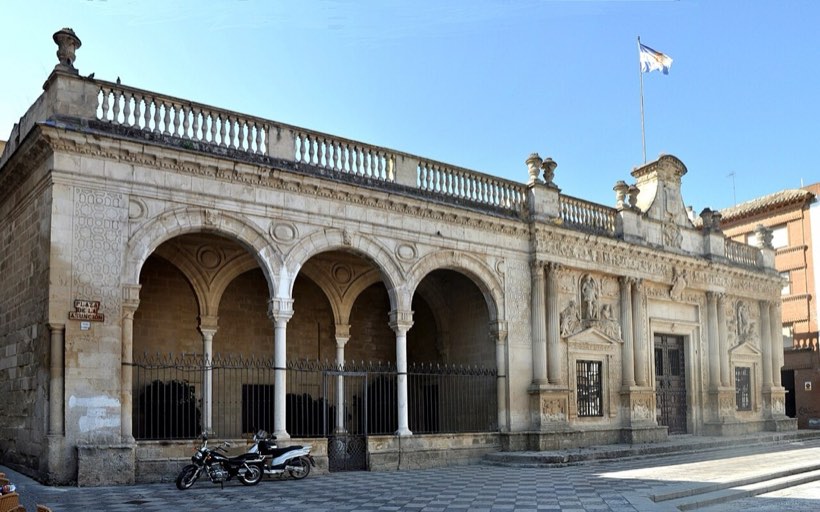
In the Market Square, San Mateo neighborhood. Trace the history of Jerez since Prehistory and keep the Greek helmet found in Guadalete.
- Accessible
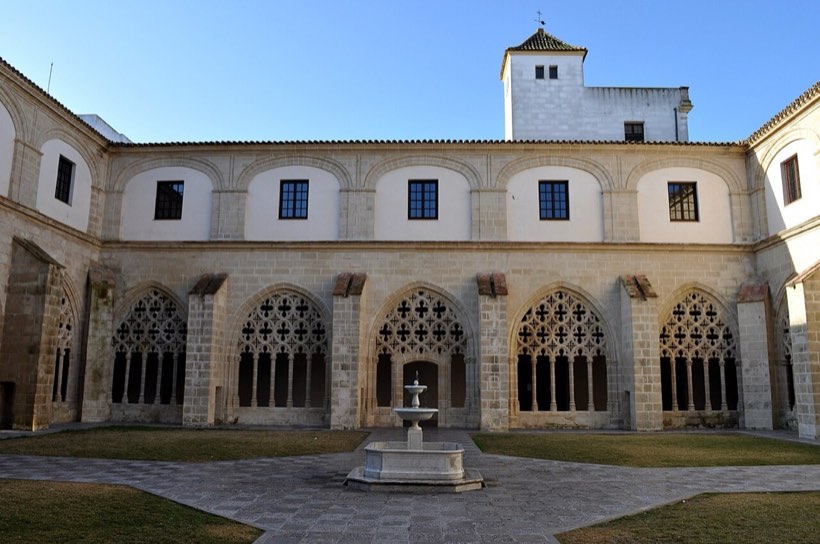
Claustros de Santo Domingo
Gothic cloister of the old Dominican convent, next to Alameda Cristina. Hosts exhibitions.
- Paid
- On the outskirts
La Cartuja
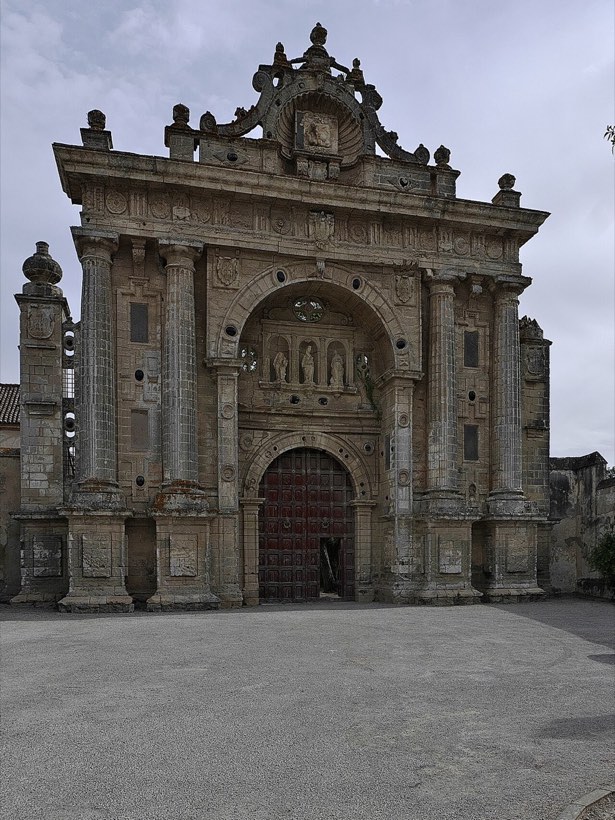
A monastery with one of Andalusia's most striking façades, just a few kilometres from the centre.
- Free
Plaza de la Asunción y San Dionisio
Where the great souk of Islamic Jerez was.
Related Guides
- Guide
jerezARTE: where to see and make art in Jerez
Art in Jerez de la Frontera: museums, the painting collection of Bodegas Tradición, exhibitions in the Cloisters of Santo Domingo, ceramics, crafts and workshops.
- Guide
Don't go to a winery in Jerez without knowing this
Bodegas de Jerez with visits compared: price from, duration, days, with children and with tapas. Difference between Fino and Manzanilla and how to reserve.
- Guide
Jerez in a day on foot: don't leave without this
One day in Jerez de la Frontera: a walk through the Alcázar, Cathedral and Mercado de Abastos, a bodega tasting and evening flamenco.
- Guide
Don't leave Jerez without hearing flamenco up close
Where to see flamenco in Jerez: flamenco clubs, tabancos with singing, Festival de Jerez, free candles and the neighborhoods of Santiago and San Miguel.
Frequently Asked Questions
Is Jerez the same place as Jerez de la Frontera?
Usually, yes. In this guide, Jerez means Jerez de la Frontera in Cádiz province. Other Spanish towns also include Jerez in their names, such as Jerez de los Caballeros (Badajoz) and Jerez del Marquesado (Granada).
Why is it called Jerez de la Frontera?
For the centuries in which Jerez was on the front line against the Nasrid kingdom of Granada, according to the Jerez City Council.
When was Jerez conquered?
The traditional date is October 9, 1264, the day of San Dionisio, with Alfonso X. A 2015 study maintains that the capture was in October 1266.
What is the oldest monument in Jerez?
The Alcázar, built by the Almohads in the 12th century, at the same time as the wall.
What does sherry mean?
It is the name of Jerez said in English: Sherish, Xerez and Jerez are the same name that changed over the centuries.
More guides to Jerez
 What to do in Jerez de la Frontera
 Things to do in Jerez today
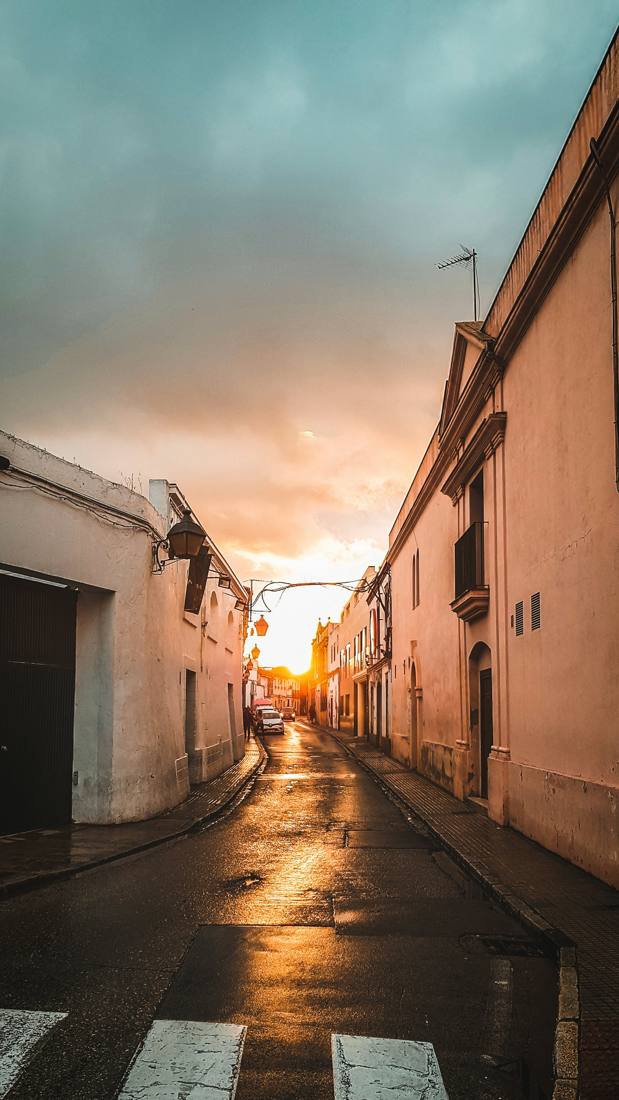 What to do in Jerez this weekend
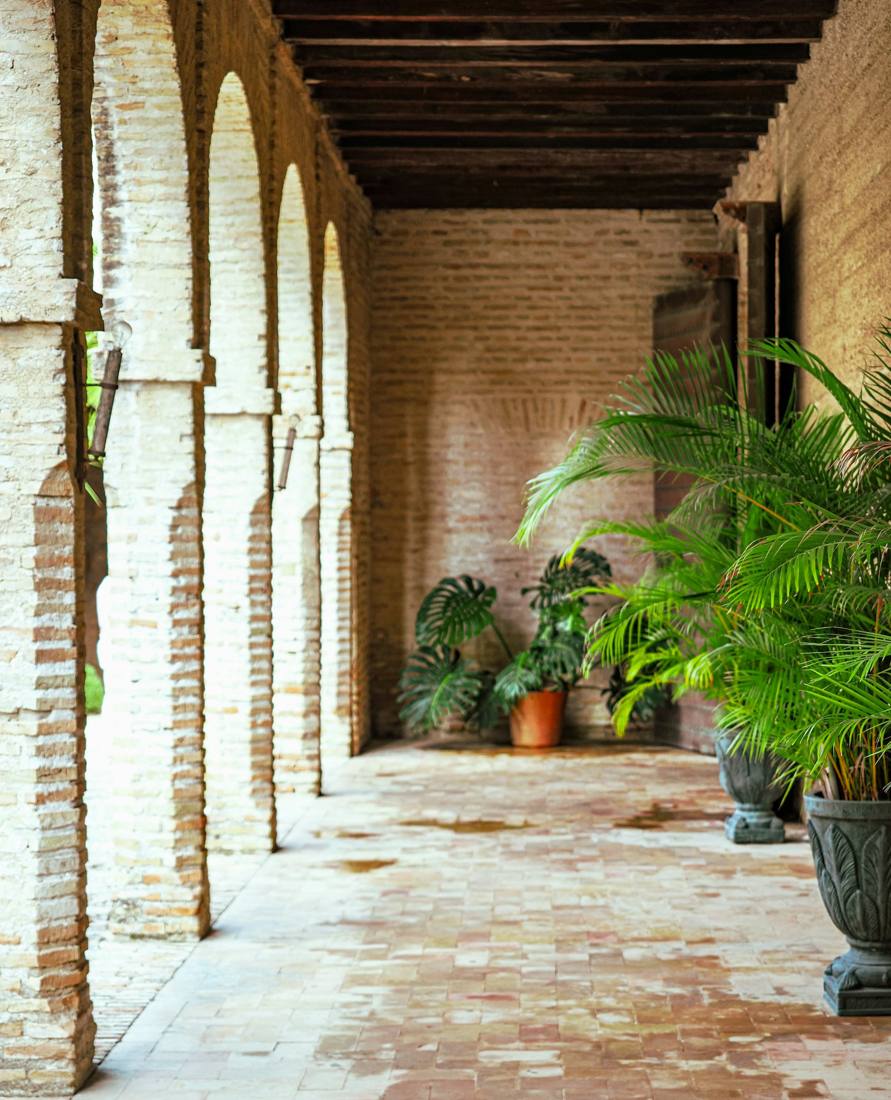 Things to do in Jerez with children
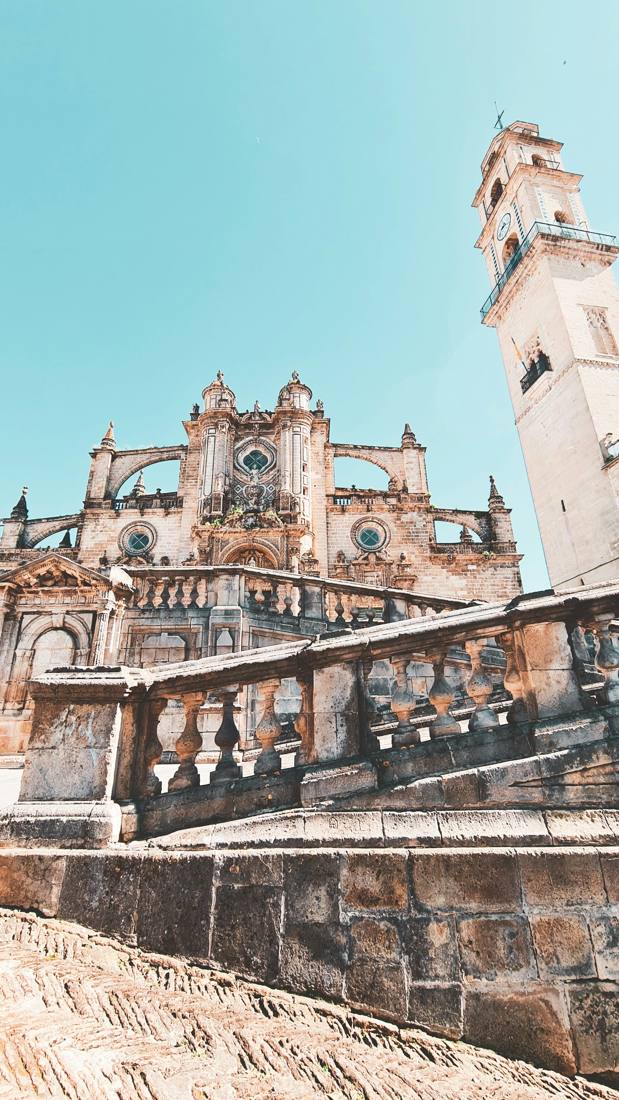 Jerez in a day on foot: don't leave without this
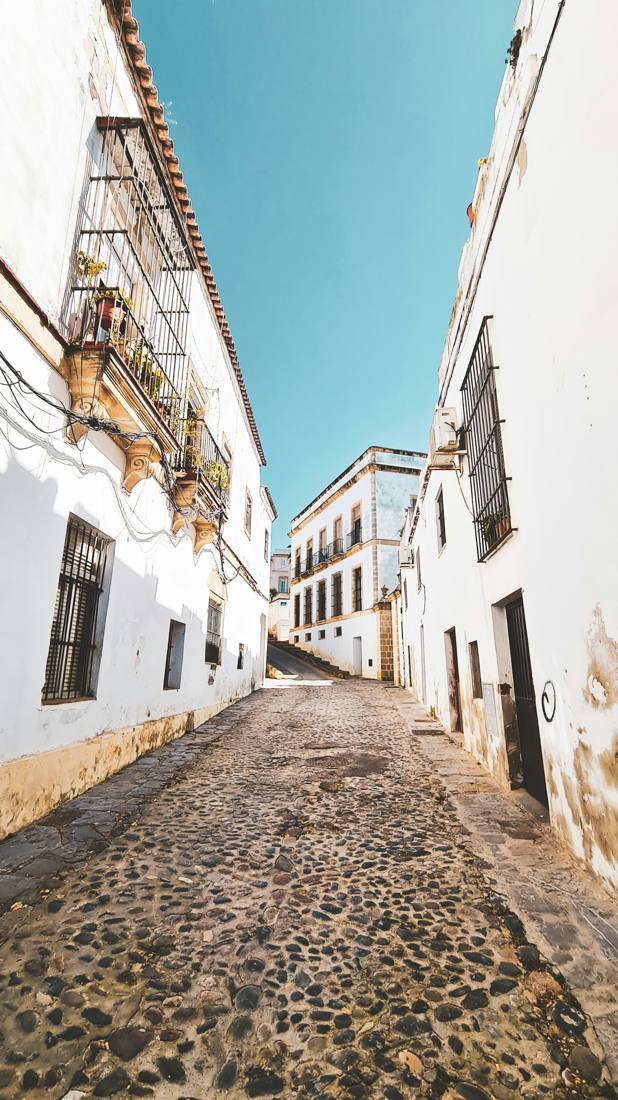 What to do in Jerez in summer
 What to do in Jerez in August
 What to do in Jerez and surroundings
 Concerts and music in Jerez
 Zambombas of Jerez
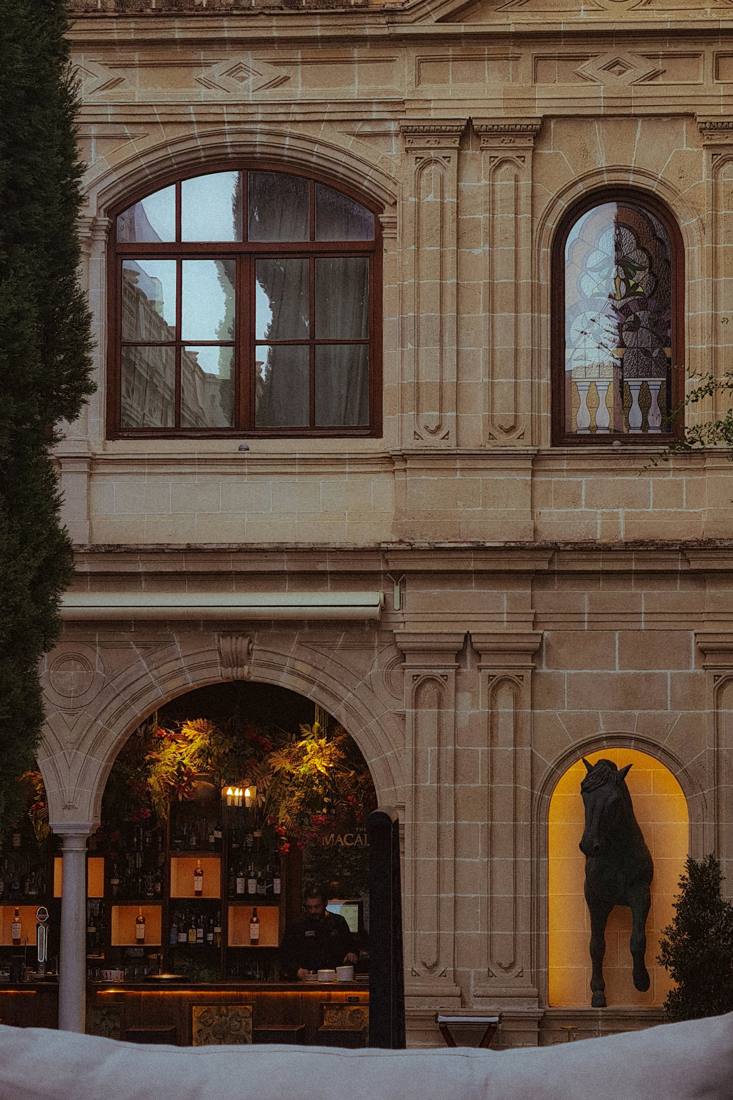 Where to stay in Jerez
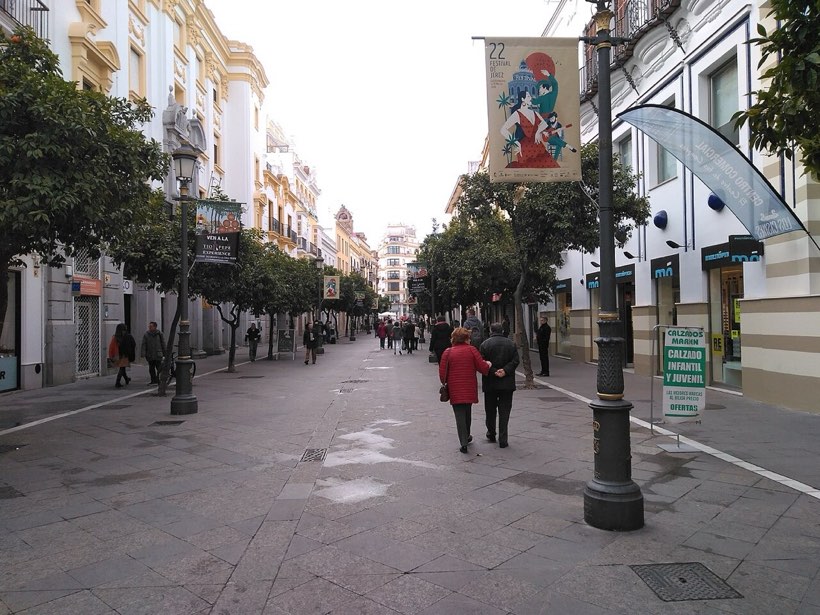 Where to buy souvenirs in Jerez
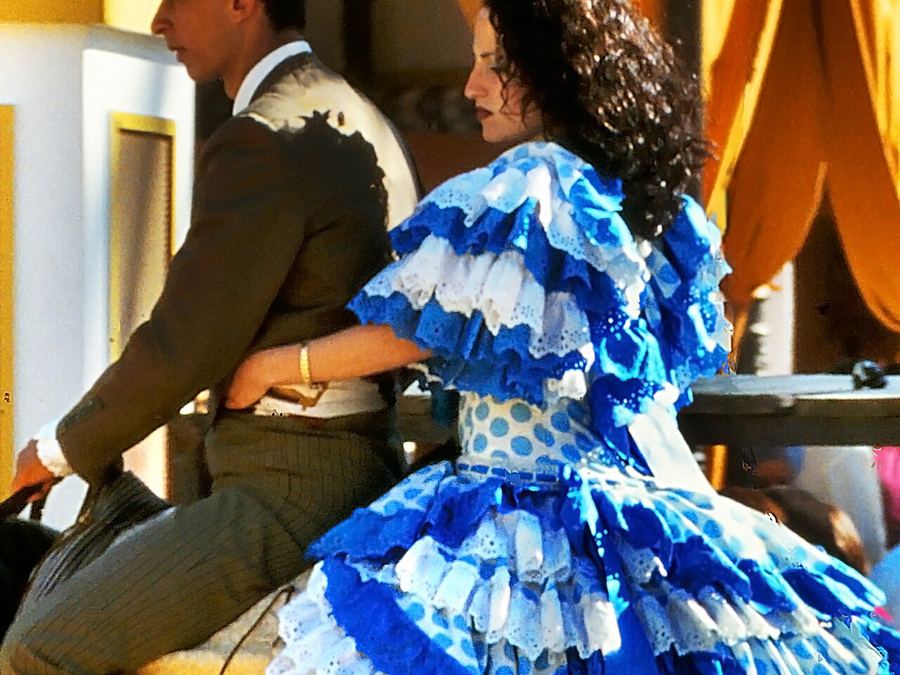 Jerez calendar
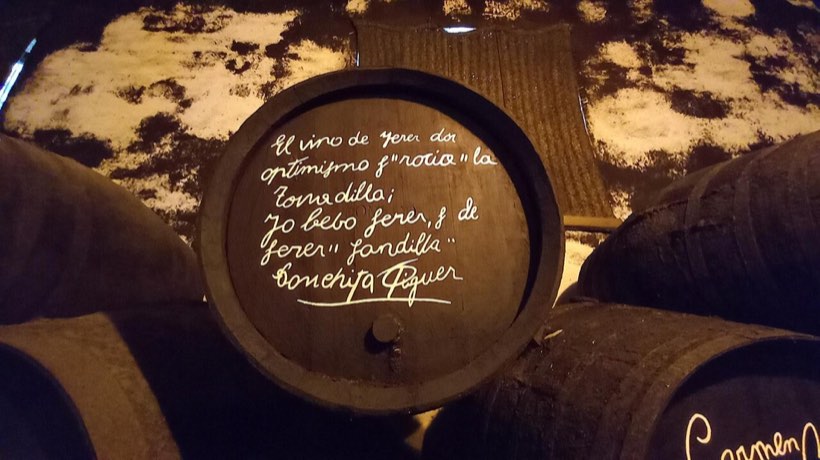 Don't go to a winery in Jerez without knowing this
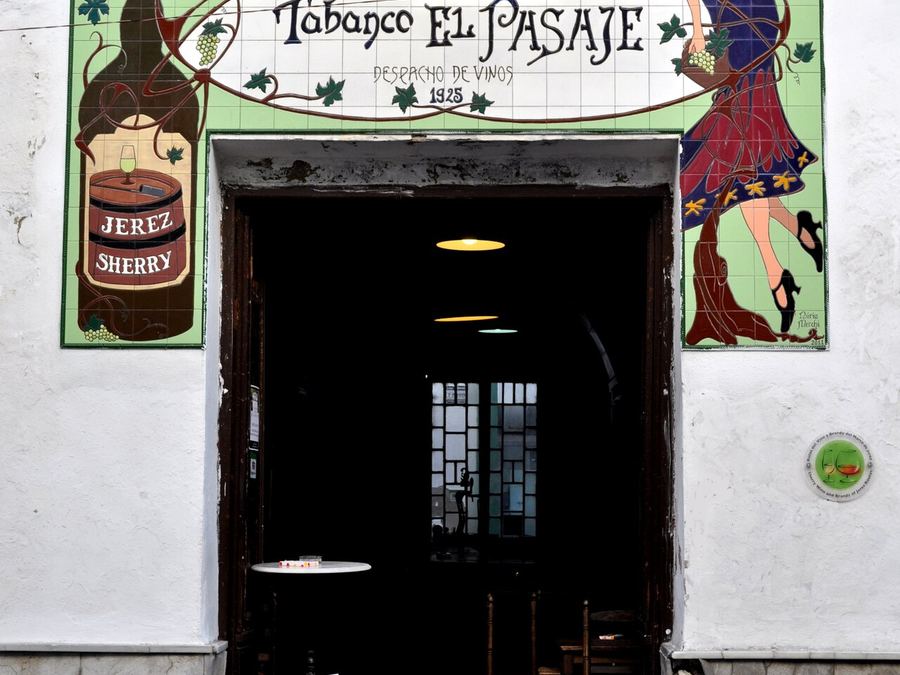 Did you know that in a tabanco the wine comes out of the barrel?
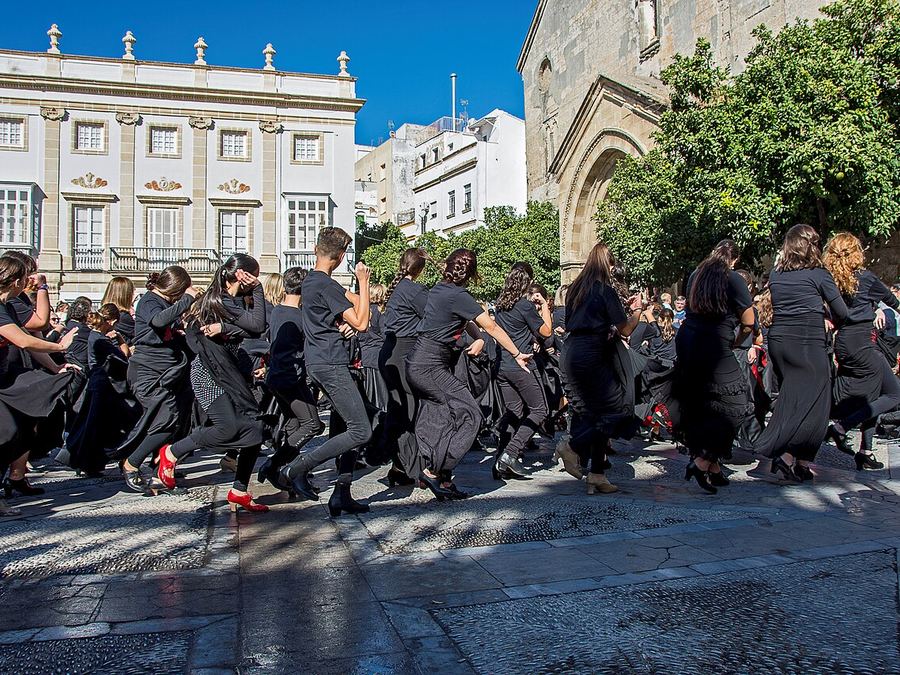 Don't leave Jerez without hearing flamenco up close
- FREE plans in Jerez, also with family
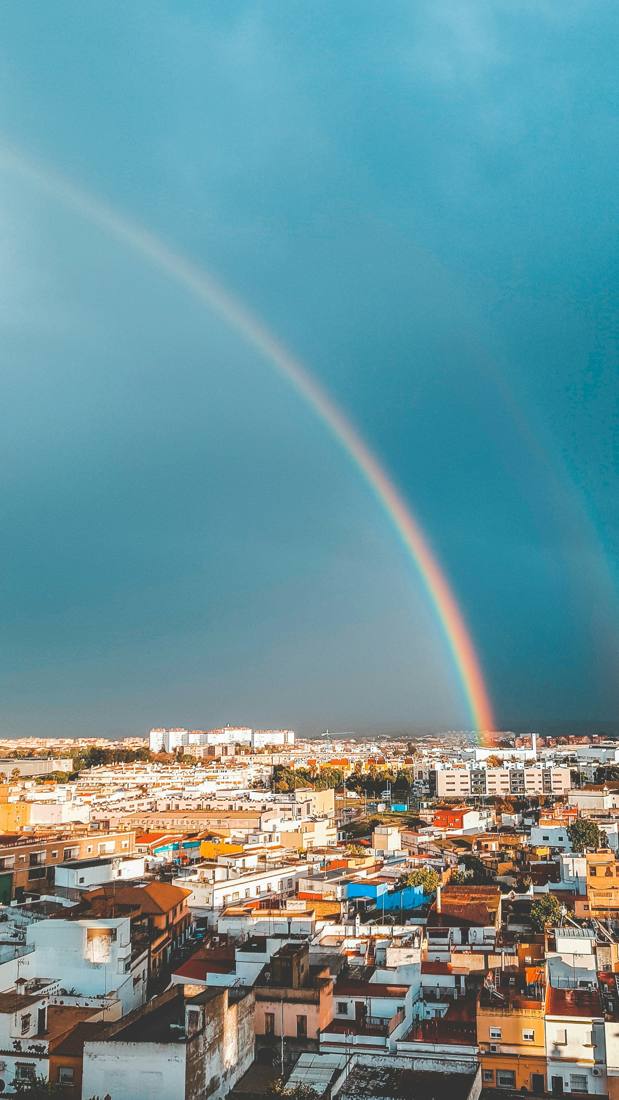 What to do in Jerez in the rain?
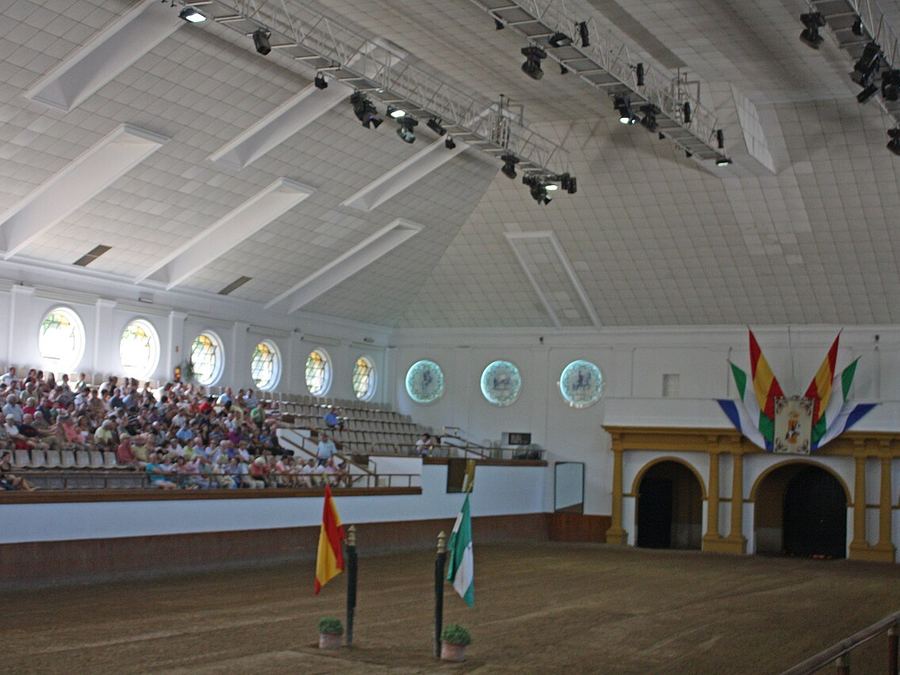 Don't go see the Jerez horses without knowing this
 What to do in Jerez with a dog?
- What to do for free in Jerez this week
 Jerez with the family: plans that adults and children enjoy
 Flamenco clubs of Jerez: where to listen to real singing
- Hiking and sports in Jerez and surroundings
- The weather in Jerez today and the next few days
 Useful telephone numbers in Jerez
 jerezARTE: where to see and make art in Jerez
- We are looking for you, Jerez native